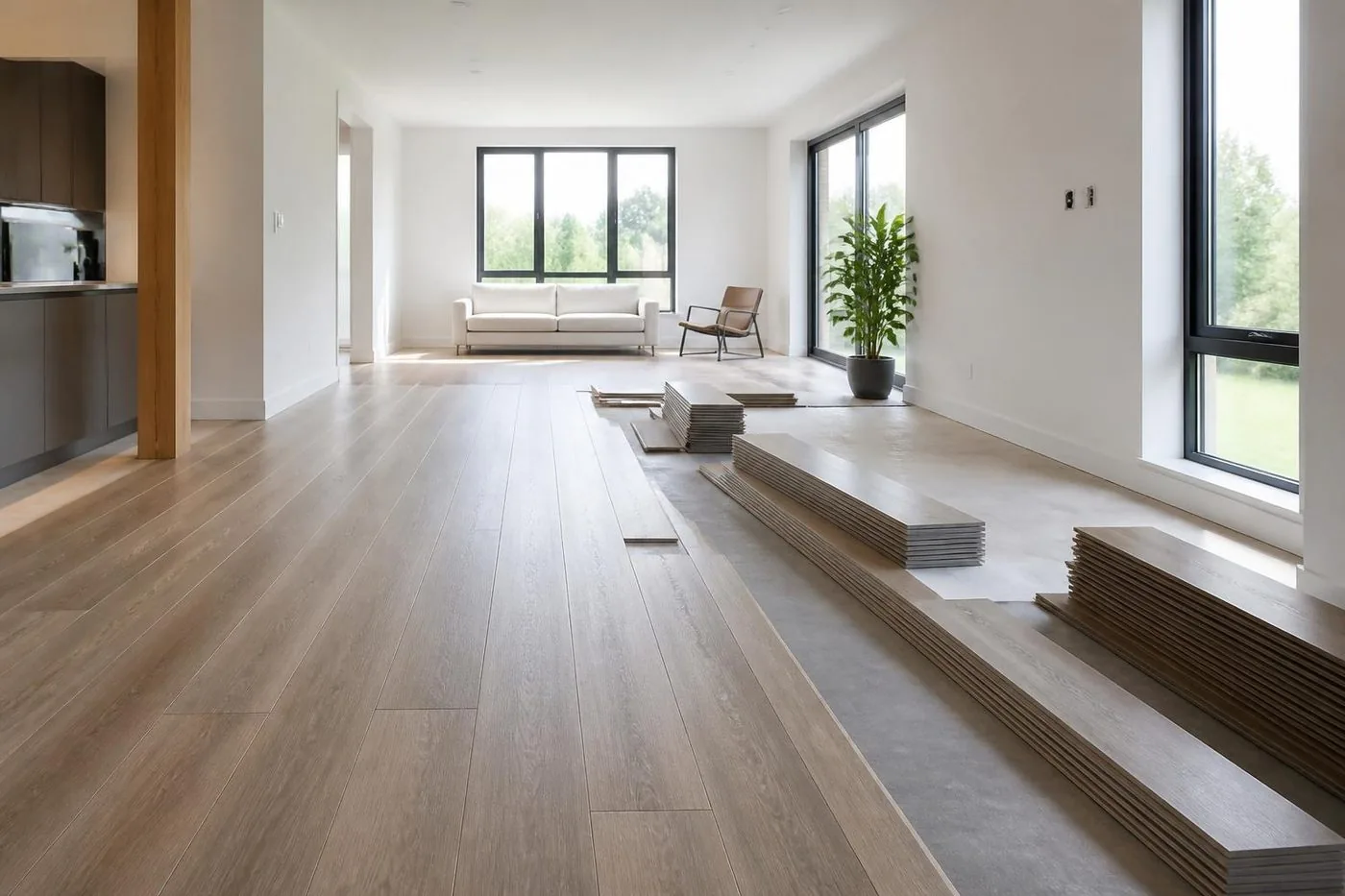
Basements throughout Lockport, Homer Glen, and New Lenox all share the same challenge: seasonal moisture. Spring thaw, summer humidity, and the occasional sump pump hiccup all put flooring to the test below grade. Here's what actually holds up down there, based on what we install week in and week out.
Why Basements Are Different
Below-grade concrete slabs can wick moisture up from the ground even without a visible leak, and humidity swings between our humid summers and dry winters add to the stress. Any flooring you choose needs to tolerate that - or you'll be replacing it again in a few years.
Best Choice: Luxury Vinyl Plank
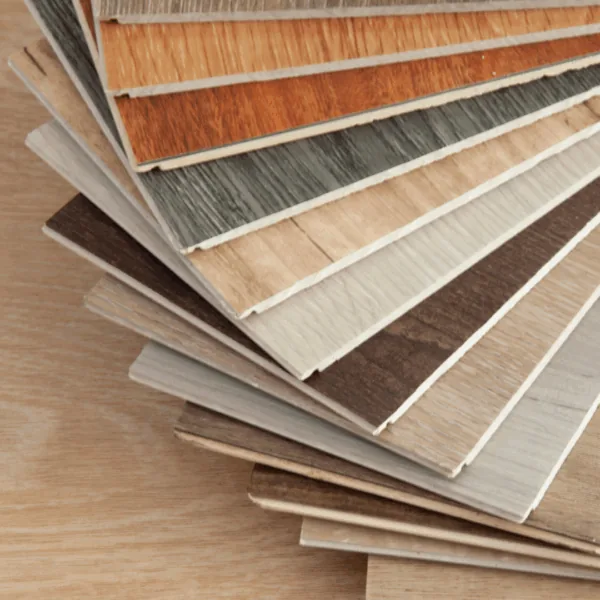
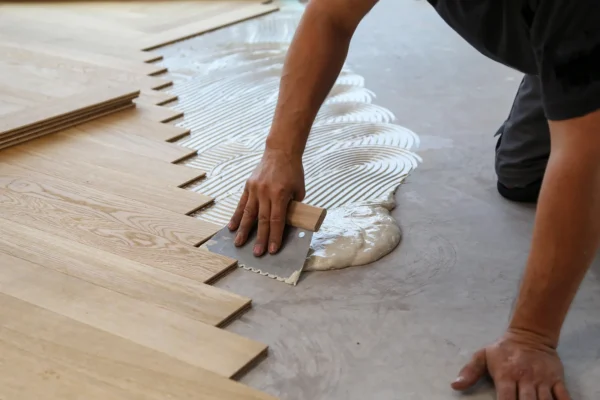
LVP is our top recommendation for basements across the area, and it's not close. Its core is fully waterproof, so it shrugs off the humidity and occasional dampness that basements are prone to, and it's warmer and softer underfoot than tile alternatives. Modern LVP also looks convincingly like real wood, so your finished basement doesn't have to look like a basement.
Workable Option: Carpet (With Caveats)
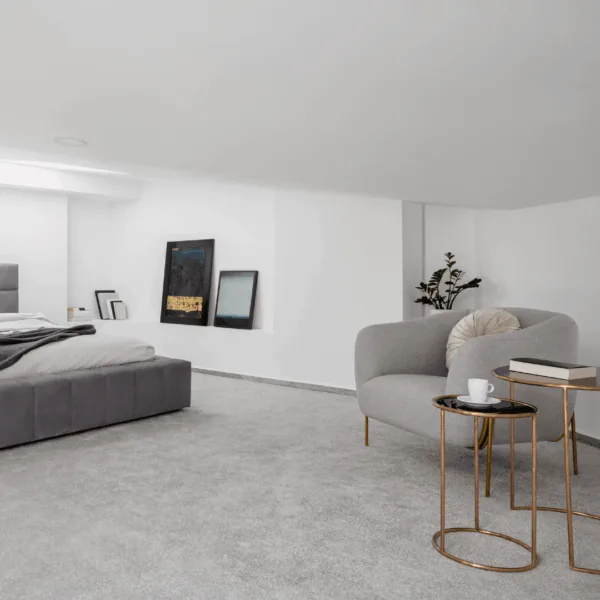
Carpet can work in a dry, finished basement with good drainage and a working sump pump, and it adds warmth for a media room or playroom. We'd steer you away from it if your basement has ever taken on water, sits near an older foundation, or lacks a sump pump - the risk of mold and odor isn't worth it.
What to Avoid
- Solid wood - will cup, warp, or buckle from ground moisture.
- Laminate without a proper vapor barrier - its wood-based core can swell.
- Any flooring installed directly over an untested slab.
Not sure what your basement can handle?
Request a free in-home estimateWe'll Check Your Slab Before We Quote
Every basement estimate we do includes a look at moisture conditions, not just a tape measure. If LVP isn't the right call for your space, we'll tell you - and if you're weighing options for the rest of the house too, our flooring installation page covers what else we handle.